
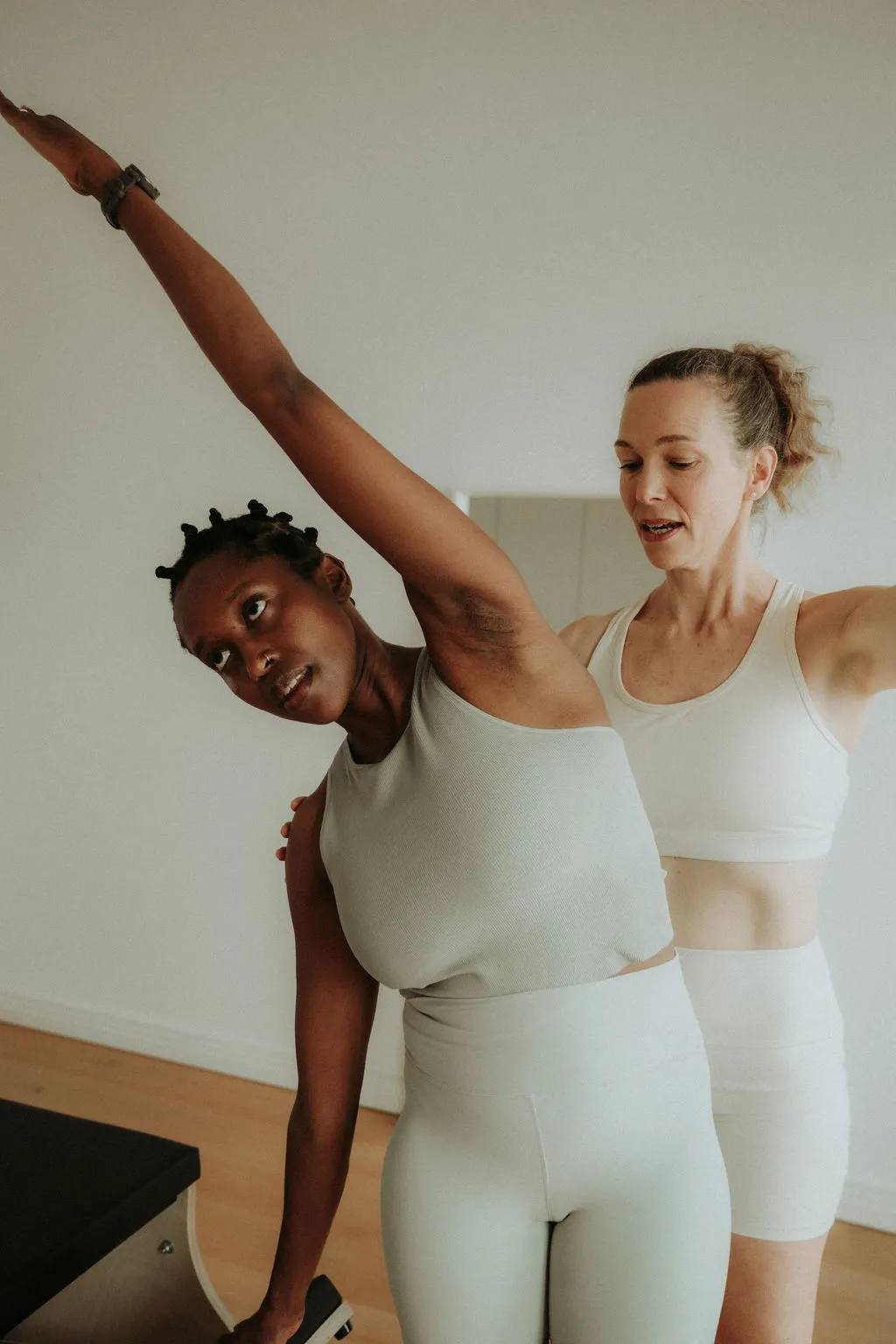
5 benefits of Pilates
Pilates is more than a workout trend. It is a mindful, low-impact form of movement that helps you build strength, improve posture, increase flexibility, and feel more connected to your body. Whether you are new to Pilates or returning to your practice, the benefits can be felt both in and outside the studio.
In this guide, we will explore five key benefits of Pilates and why it is such an effective choice for anyone who wants to move better, feel stronger, and support long-term wellbeing.
1. Pilates Builds Functional Strength
One of the biggest benefits of Pilates is that it builds strength in a balanced and functional way. Instead of focusing only on large muscle groups, Pilates trains the body as a connected system. You use controlled movements, breath, and alignment to activate deep stabilising muscles as well as larger muscles.
This type of strength supports everyday movement. From lifting shopping bags to climbing stairs or sitting comfortably at your desk, Pilates helps your body work more efficiently and with less unnecessary tension.
Strengthens the core (including the pelvic floor!), glutes, back, arms, and legs
Improves control and coordination
Supports better movement patterns in daily life
Builds strength without high-impact stress on the joints or pelvic floor
2. Pilates Improves Posture and Alignment
Modern life often involves long hours sitting, looking at screens, carrying children, or moving in repetitive ways. Over time, this can lead to rounded shoulders, tight hips, a stiff spine, and general discomfort. Pilates helps by bringing awareness to posture, alignment, and how your body moves.
Through precise exercises, Pilates encourages a strong, supported spine and balanced muscle engagement. You learn how to lengthen through the body, stabilise the pelvis, and release unnecessary tension. The result is a posture that feels more natural, confident, and comfortable.
3. Pilates Increases Flexibility and Mobility
Flexibility is not just about stretching further. It is about moving with freedom, control, and ease in all planes of movement (ie in all directions). Pilates combines strengthening and lengthening movements, helping muscles become both flexible and supportive.
Many Pilates exercises gently mobilise the spine, open the hips, stretch the legs, and improve shoulder movement. With regular practice, you may notice that everyday movements feel smoother and that stiffness starts to ease.
4. Pilates Supports Core Stability
The core is at the centre of every Pilates practice. However, Pilates core training is not only about abdominal strength. It also includes the deep muscles that support your spine, pelvis, and breathing mechanics, like your pelvic floor, the small rotators of the hips, the diaphragm - which often get overlooked in standard strengthening exercises.
A stable core can help improve balance, coordination, and confidence in movement. It can also support better posture and reduce strain caused by poor movement habits. This is why Pilates is often recommended for people who want to build a stronger foundation for other sports, fitness routines, or daily activities.
5. Pilates Encourages Mindful Movement and Body Awareness
Pilates is not just physical. It asks you to slow down, breathe with intention, and pay attention to how each movement feels. This mindful approach can help you become more aware of your posture, tension patterns, and movement habits.
Over time, this awareness can make your practice more effective and help you carry better movement habits into everyday life. Many people also find Pilates calming because it creates space to focus, breathe, and reconnect with the body.
Who Is Pilates Good For?
Pilates can be adapted for many different levels, from complete beginners to experienced movers, from rehabilitation to supporting athletic performance. Because exercises can be modified, it is a welcoming option if you want a workout that challenges you without relying on speed or impact.
Beginners who want to build confidence with movement
People looking to improve posture and body awareness
Anyone wanting low-impact strength training
Active people who want to support flexibility and recovery
Those who want a mindful, focused fitness routine
How Often Should You Do Pilates?
Consistency is key. Even one Pilates class per week can help you feel more aware of your body, but two to three sessions per week may bring more noticeable improvements in strength, posture, and flexibility. The best routine is one you can maintain comfortably.
If you are new to Pilates, start slowly and focus on learning the foundations. Quality of movement matters more than intensity. With time, your body will become stronger, more mobile, and more responsive.
Start Your Pilates Practice
Pilates is a powerful way to build strength, improve posture, increase flexibility, and develop a healthier relationship with movement. Whether your goal is to feel stronger, move with less stiffness, or create a regular wellness routine, Pilates offers a supportive and sustainable path.
Ready to experience the benefits for yourself? Join a Pilates class with me and discover how mindful movement can help you feel stronger, taller, and more at ease in your body :-)